eShop
eShop
 English

In aseptic filling processes, filling accuracy has always been a key indicator. However, as biologics become increasingly complex, the industry’s focus is also quietly shifting. For sensitive substances such as protein drugs, nucleic acid drugs, and high-viscosity formulations, product contact materials are becoming an indispensable aspect of process development. The filling needle is no longer just a standard component that performs the filling action; it may also become one of the variables affecting formulation stability and process flexibility. Under this trend, single-use filling needles with a non-metallic contact path are beginning to be evaluated by more and more companies as a new direction.
Stainless steel remains a mature material for product contact applications, but it is not the only answer in all scenarios.
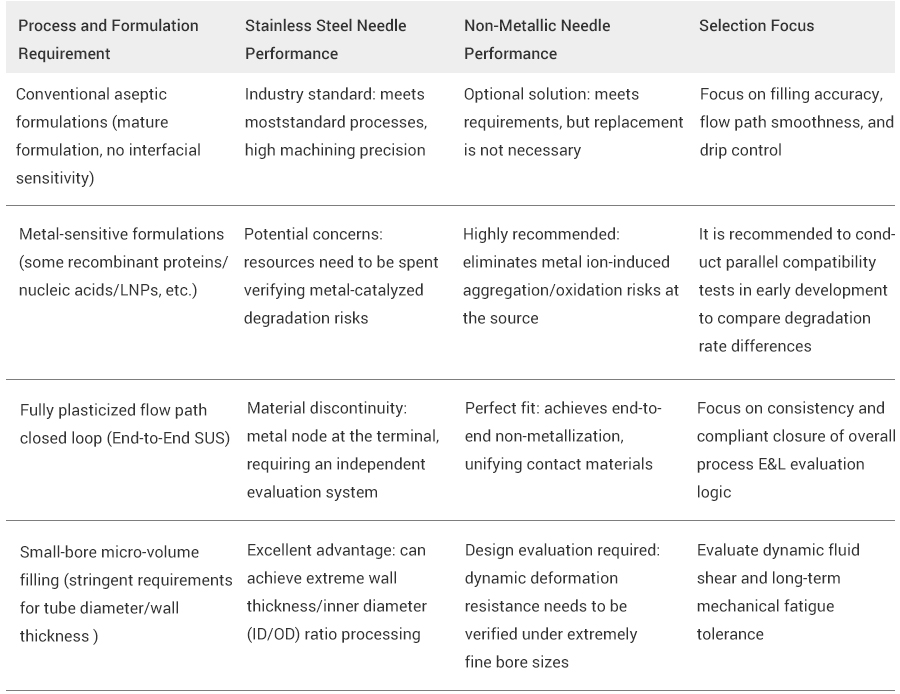
For certain sensitive formulations, the selection of filling needles should not only consider mechanical performance and cost, but should also comprehensively take into account requirements such as contact materials.
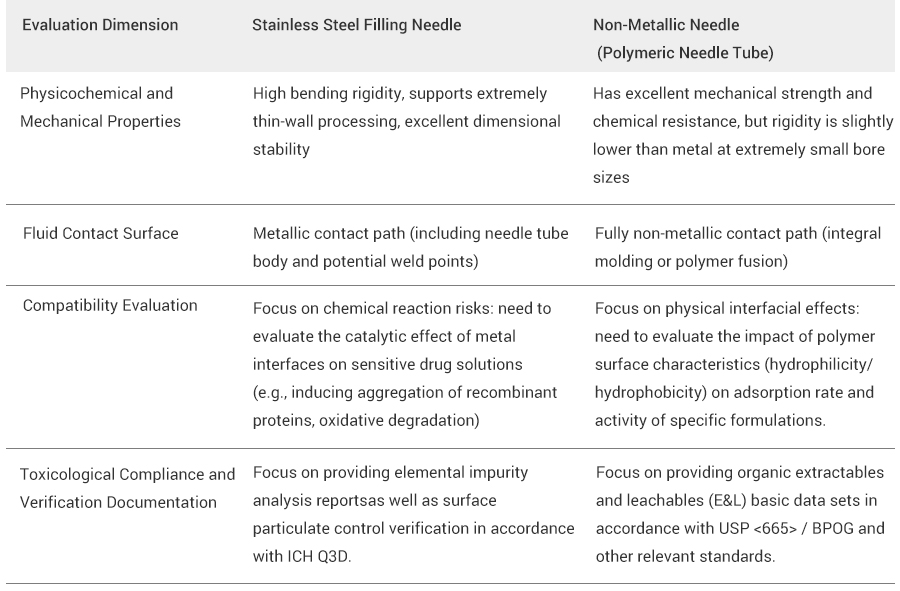
From the above comparison, it can be seen that differences in materials ultimately translate into differences in process risks. For conventional formulations, stainless steel remains the first choice due to its excellent mechanical properties; however, when we focus on high-value biologics with complex formulations and high environmental sensitivity, the metallic interfacial properties of traditional stainless steel may pose additional process challenges.
Potential impacts that stainless steel needles may bring in specific scenarios:
1. Metal ion-related oxidation risks
In certain formulation systems that are sensitive to metal ions, metal contact interfaces and trace ion leaching may increase oxidation risks. Therefore, during the process development stage, some companies will evaluate non-metallic flow path options.
2. Material compatibility considerations for nucleic acid-based formulations
For nucleic acid-based formulations such as mRNA and plasmid DNA, the metal ion environment may affect molecular stability, so the choice of contact materials deserves key evaluation.
3. Interfacial stress: a "breeding ground" for subvisible particles
For systems such as high-concentration proteins and aggregation-prone formulations, contact interface characteristics may affect protein stability and subvisible particle control performance.
Cobetter Lifemeta™ FCPK: A "non-metallic" choice born for sensitive filling
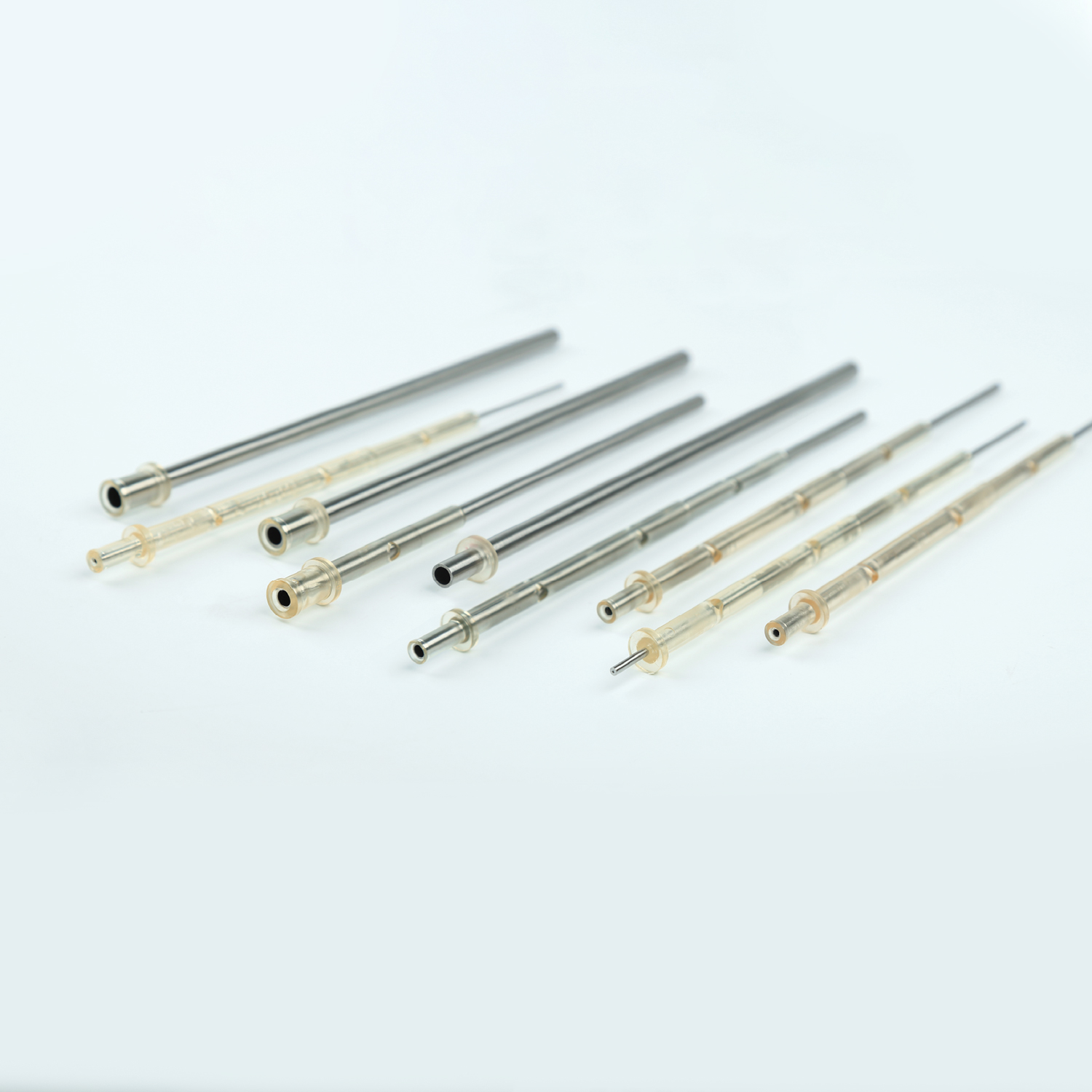
Based on an understanding of the development trends in aseptic filling processes, Cobetter Lifemeta™ FCPK single-use filling needle provides a new option for applications requiring a non-metallic contact path.
Product highlights:
- Non-metallic product contact interface
Suitable for formulations that are sensitive to metal contact, and also facilitates evaluation of non-metallic flow path options during process development.
- Biocompatibility and E&L data support
Relevant test data in accordance with USP <87> and USP <88>, as well as Extractables / Leachables (E&L) study documentation, can be provided.
- Multiple needle bore size options
Can be matched according to process conditions such as fill volume, flow rate, and liquid viscosity, improving solution adaptability.
- Multiple connector types
Available in straight-through and Luer connector types, facilitating connection to common single-use systems and reducing system integration difficulty.
- Compatible with common sterilization methods
Supports sterilization requirements in aseptic production processes, enhancing process flexibility.
This product can be applied in the following filling evaluation scenarios:
- Protein-based formulations that are sensitive to metal contact, such as some monoclonal antibodies, ADCs, recombinant proteins, etc.
- Nucleic acid products with high requirements for molecular integrity, such as mRNA, plasmid DNA, etc.
- Aseptic filling processes for steril liquid with high concentration, high viscosity, or high requirements for interfacial compatibility.
Stainless steel needles and non-metallic needles are not simply a substitute for each other, but rather a complement to the pursuit of process excellence; Cobetter can provide filling solutions in both materials. If you are evaluating the application of non-metallic filling needles in protein formulations, nucleic acid drugs, high-viscosity formulations, or single-use aseptic filling systems, please feel free to contact us for more product information and technical support.
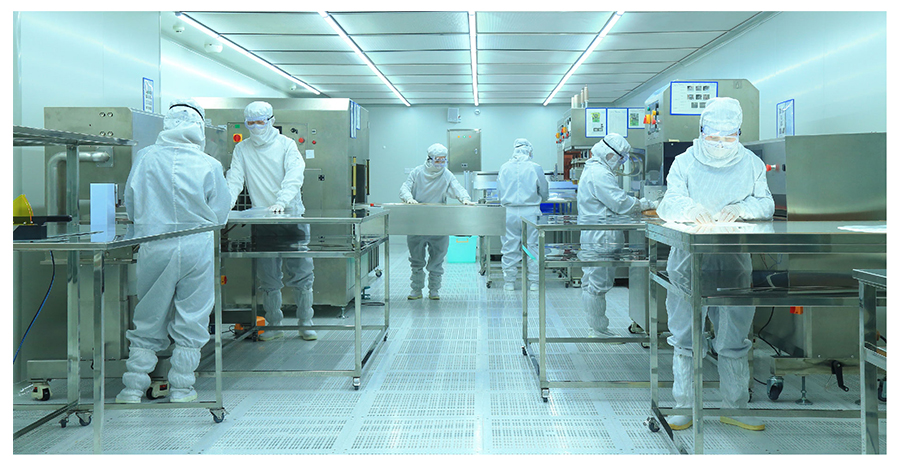
Technological innovations in the field of filling needles not only optimize filling accuracy and efficiency, but also create critical value in ensuring drug chemical stability, preventing particulate contamination, and ensuring aseptic safety.
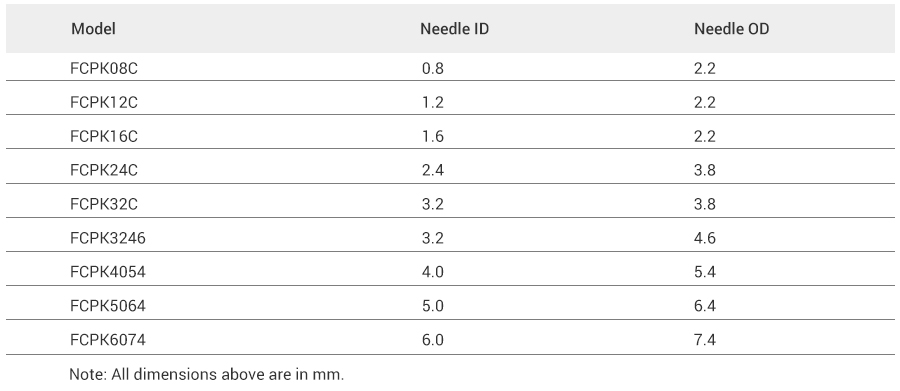
Ordering Information